
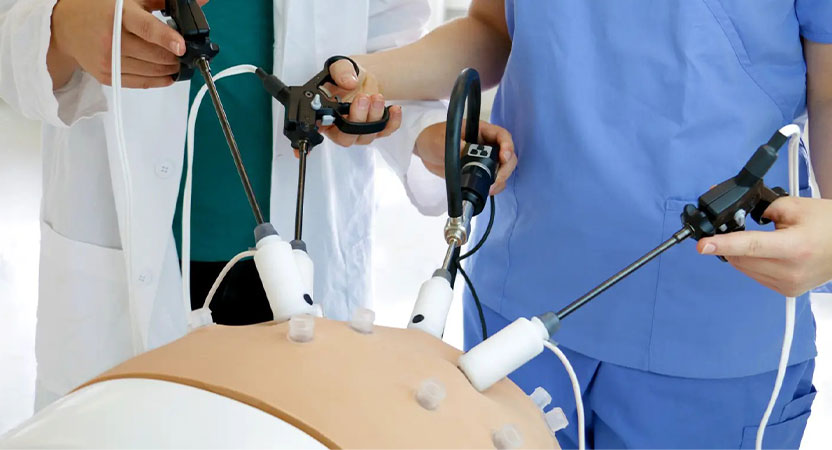
Why Simulation Courses for Surgeons Are Becoming the Foundation of Modern Surgical Training
Every surgeon remembers their early days in the operating room. The pause before the first incision. The unfamiliar weight of instruments in hand. The quiet pressure of knowing that learning is no longer theoretical. It is real.
Modern surgery demands more than observation and gradual exposure. It demands preparedness before performance. This is why simulation courses for surgeons are rapidly becoming the most trusted foundation of surgical education worldwide.
At Global Surgical Institute, this shift is not viewed as a passing trend. It is seen as a professional responsibility toward both surgeons and the patients they serve.
Why Traditional Surgical Training Alone Is No Longer Enough
For generations, surgeons learned primarily through observerships, assisted procedures, and supervised exposure in live operating rooms. While this model laid the groundwork for surgical education, today’s clinical realities present clear limitations.
- 1. Reduced tolerance for learning-related errors
- 2. Increasing complexity of surgical procedures
- 3. Limited access to diverse and high-volume case exposure
- 4. Time-pressured operating room environments
Surgeons are now expected to perform with confidence earlier in their careers, often without sufficient opportunities for repeated, hands-on practice. This gap is precisely where simulation courses for surgeons plays a defining role.
What a Modern Surgical Skills Training Program Must Achieve
A meaningful surgical skills training program is not measured by certificates or attendance alone. It is measured by outcomes. It ensures that surgeons are technically capable, mentally prepared, and clinically confident before real patients are involved.
An effective program must be designed to:
- 1. Translate theoretical knowledge into practical execution
- 2. Allow structured repetition without clinical consequences
- 3. Build muscle memory, precision, and efficiency
- 4. Encourage critical thinking during procedural decision-making
- 5. Develop consistency, not just baseline competence
Simulation-based training provides the environment where this level of learning becomes possible. It is structured, measurable, and aligned with real-world surgical demands.
The Value of a Hands-On Surgical Simulation Course
A hands-on surgical simulation course moves surgeons beyond observation into active participation. Instead of watching procedures, surgeons perform them repeatedly in controlled, realistic environments.
- 1. Handle surgical instruments with increasing familiarity
- 2. Practice complete procedural workflows from start to finish
- 3. Improve hand-eye coordination and ergonomic efficiency
- 4. Develop spatial orientation and depth perception
- 5. Manage complications within simulated real-time scenarios
Mistakes are expected and encouraged, as they become learning opportunities rather than patient risks. This is how surgical confidence is built correctly and responsibly.
Why Global Surgical Institute Centers Its Training on Simulation
At Global Surgical Institute, simulation is not positioned as an add-on to surgical education. It forms the core of the institute’s training philosophy.
Each hands-on surgical simulation course is carefully structured to mirror real operating room challenges while giving surgeons the freedom to pause, repeat, and refine techniques.
The training approach emphasizes:
- 1. Realistic surgical scenarios aligned with clinical practice
- 2. Stepwise progression of skills from basic to advanced
- 3. Focused mentorship and guided instruction
- 4. Immediate, constructive, and actionable feedback
This model respects the learning curve of surgeons while maintaining uncompromising standards of patient safety.
How Simulation Courses for Surgeons Improve Real-World Performance
Confidence Before Clinical Exposure
Surgeons enter live operating rooms having already performed procedures multiple times in simulation. This confidence is grounded in preparation and repetition, not assumption.
Reduction in Preventable Errors
Simulation allows surgeons to experience, analyze, and correct mistakes early, leading to safer outcomes and improved consistency in real clinical settings.
Standardization of Skill Levels
A structured surgical skills training program ensures all participants meet defined competency benchmarks, regardless of variability in clinical exposure or case mix.
Preparedness for Rare or High-Risk Situations
Simulation prepares surgeons for uncommon but critical scenarios, situations where hesitation or uncertainty cannot exist.
Simulation Training in an Evolving Surgical Landscape
With the rapid adoption of minimally invasive techniques and advanced surgical technologies, surgeons must continuously upskill. Simulation enables surgeons to:
- 1. Learn new procedures before clinical implementation
- 2. Practice advanced techniques without disrupting patient care
- 3. Adapt efficiently to evolving surgical standards
- 4. Maintain long-term technical proficiency throughout their careers
In this context,simulation courses for surgeons are not supplemental. They are essential for sustained professional development.
Who Benefits from a Structured Surgical Skills Training Program?
Simulation-based education supports surgeons across all stages of practice:
- 1. Postgraduate trainees developing foundational technical skills
- 2. Early-career surgeons building procedural confidence
- 3. Experienced surgeons refining or expanding their expertise
- 4. Healthcare institutions seeking standardized training frameworks
A hands-on surgical simulation course strengthens clinical experience. It does not replace it.
Why Patients Ultimately Benefit from Simulation Training
Although patients may never see a simulation lab, they experience its impact directly.
They benefit from:
- 1. Smoother and more efficient surgical procedures
- 2. Reduced complication rates
- 3. Improved intraoperative decision-making
- 4.Surgeons who are composed, prepared, and precise
Simulation training quietly elevates standards of patient care before a single incision is made.
Global Surgical Institute’s Role in Advancing Surgical Education
Global Surgical Institute remains committed to strengthening surgical education through thoughtfully designed simulation courses for surgeons.
By focusing on structured learning, realistic practice, and deliberate skill mastery, the institute contributes to a future where:
- 1.Surgeons are better prepared
- 2.Training is safer and more consistent
- 3.Skills are developed with intention
- 4.Patient outcomes continue to improve
This debut blog reflects that commitment and establishes the foundation for ongoing educational dialogue.
Conclusion: Why Hands-On Simulation Is the Future of Surgery
The best surgeons are not shaped by chance exposure alone. They are shaped through repetition, reflection, and preparation.
A strong surgical skills training program, supported by a hands-on surgical simulation course, ensures surgeons are ready not just to operate, but to perform with confidence, precision, and care.
At Global Surgical Institute, this belief guides every training initiative because surgical excellence begins long before the operating room.
